


7 Signs Your Yard Needs a Retaining Wall (Minnesota Homeowner Guide)
If your yard is sloping, washing out, or slowly falling apart every spring, you're not alone - Minnesota weather is brutal on landscapes.
Between heavy rain, snowmelt, and freeze/thaw cycles, soil doesn't stay where it's supposed to. And when that starts happening, it's not just an eyesore - it can lead to drainage problems, foundation issues, and expensive repairs.
The good news? Your yard gives you warning signs before things get worse. In this guide, we'll break down 7 clear signs you may need a retaining wall, what they actually mean, and when it's time to take action as a Minnesota homeowner.
Understanding Retaining Walls and Their Benefits
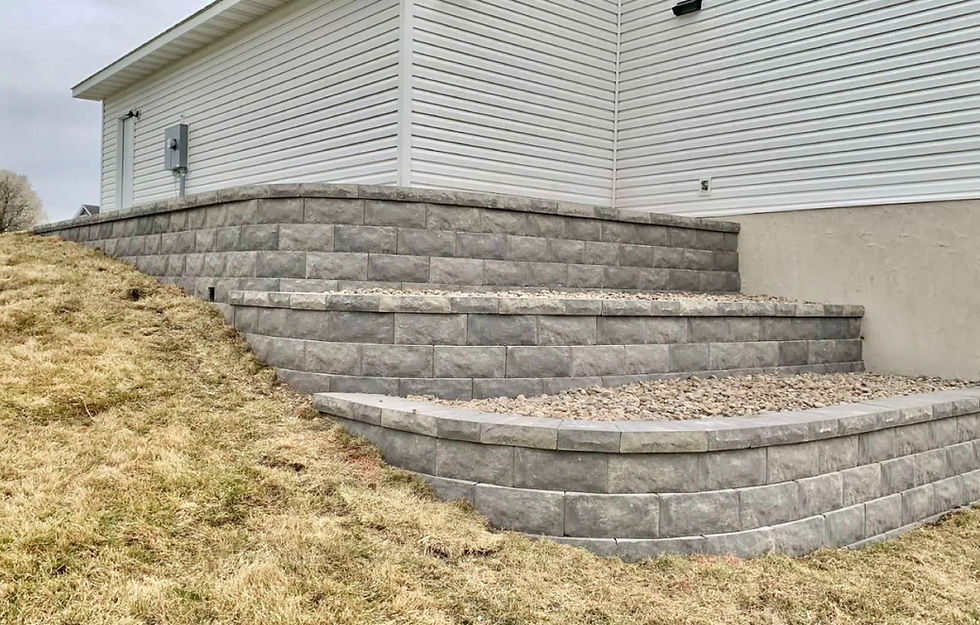
A retaining wall isn't just for looks - it's a structural solution designed to hold back soil, control water flow, and prevent your yard from shifting or failing over time.
In Minnesota, this matters more than most places.
Between heavy rain, snowmelt, and constant freeze/thaw cycles, soil expands, contracts, and moves. That movement leads to erosion, drainage issues, and unstable ground - especially on sloped properties. A properly built retaining wall works by:
Holding soil in place so it doesn't wash out
Redirecting water to prevent pooling and damage
Creating level, usable space in your yard
Supporting surrounding structures like patios, driveways, and landscaping
And when it's done right, it's not just functional - it adds serious curb appeal and property value. But here's where most homeowners get it wrong...
A retaining wall is only as good as what's behind it. Without proper base prep and drainage, even the best looking wall will eventually fail.
That's why design and installation matter just as much as materials.
Let's dive into the top 7 signs your yard might be in need of a retaining wall for Minnesota homeowners.
1. Visible Soil Erosion
If you're seeing soil wash away after heavy rain or snowmelt, your yard is already failing.
In Minnesota, freeze/thaw cycles loosen the ground, and when water moves through it, that soil has nowhere to go but downhill. Over time, this doesn't just leave bare patches - it can start to impact nearby landscaping, patios, and even your home's foundation.
A retaining wall stops that process by holding soil in place and controlling how water moves through your yard. Instead of constantly fixing washouts, you're solving the root problem.
2. Sloping or Uneven Yard Sections
If your yard feels awkward to walk on, hard to mow, or impossible to use, the slope is working against you.
Uneven areas, don't just affect usability - they also create drainage problems. Water naturally follows the slope, which can lead to pooling, runoff, and erosion in the lowest areas of your yard.
A retaining wall allows you to reshape your yard into flat, functional spaces. Whether it's for a patio, fire pit, or just a clean lawn, leveling your yard turns wasted space into something you can actually use. If you're noticing this happening in your yard, it's usually only a matter of time before it gets worse.
3. Cracks in Driveways, Walkways, or Foundation
If you're starting to see cracks in your driveway, patio, or even your home's foundation, that's not just normal wear - it's a warning sign.
In Minnesota, shifting soil is a huge issue. As the ground freezes, thaws, and moves, it puts pressure on anything sitting on top of it. Over time, that pressure leads to cracking, sinking, and uneven surfaces.
And here's the part most homeowners miss: The crack isn't the real problem - the unstable ground underneath is.
A properly built retaining wall helps stabilize the surrounding soil and manage pressure, protecting your hardscapes and preventing further movement. If you're seeing cracks, it usually means the problem has already started - and it won't fix itself.

4. Poor Drainage or Water Pooling
If water is sitting in your yard after rain or snowmelt, your drainage isn't working - and that leads to bigger problems fast.
Standing water can kill grass, damage landscaping, attract mosquitos, and slowly weaken the soil around your home. In Minnesota, this gets worse with heavy spring thaw and seasonal storms.
Most people think it's just a grading issue - but often, it's a lack of structure to control water flow.
A retaining wall - when built with proper drainage behind it - helps redirect water, reduce pooling, and protect your yard from long term damage. If water has nowhere to go, it will always find a way - and usually not where you want it.
5. Dead or Dying Plants Along Slopes
If plants along your slope keep dying no matter what you do, it's probably not your green thumb - it's your soil.
When soil is constantly shifting or washing away, roots can't stablish properly. They either get exposed, dried out, or oversaturated depending on how water is moving through the area.
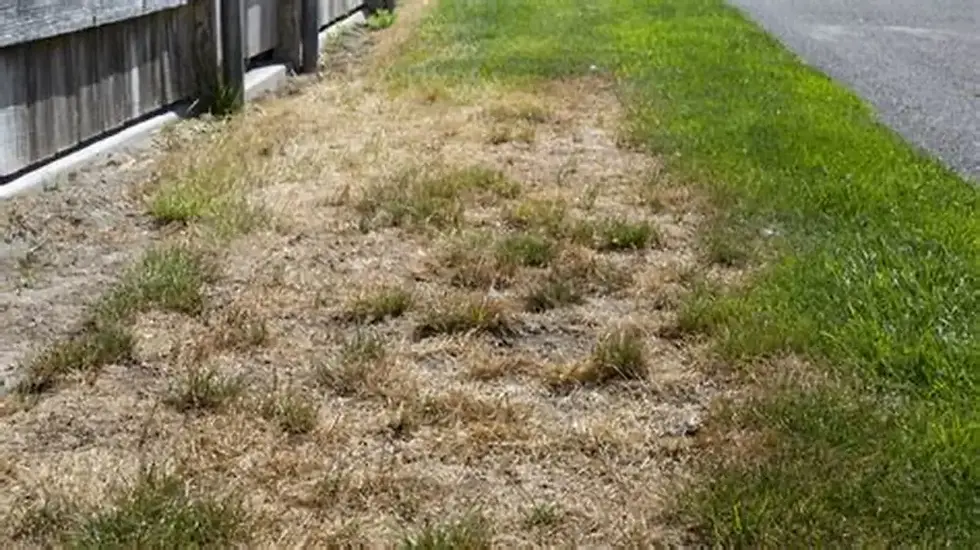
In Minnesota, this gets worse with heavy rain and snowmelt. What looks like a plant problem is usually a ground stability problem.
A retaining wall helps by holding soil in place and creating consistent growing conditions, so your plants actually have a chance to thrive. If your plants keep failing in the same spots, the issue is almost always deeper than what you can see.
6. Yard Movement or Shifting Soil
If parts of your yard look like they're slowly moving, sinking, or settling unevenly, that's a major warning sign.
You might notice small dips forming, edges of patios separating, or areas that feel unstable underfoot. This is typically caused by Minnesota's freeze/thaw cycles, where the ground expands and contracts repeatedly.
Over time, that movement doesn't just affect your lawn, - it can start impacting patios, walkways, retaining areas, and other hardscapes.
A retaining wall actus as a structural barrier, keeping soil where it belongs and preventing that slow, ongoing shift. If your yard is already moving, waiting will only make the problem bigger - and more expensive to fix.
7. Neighbors’ Retaining Walls or Community Norms
If you're seeing retaining walls in the neighboring yards, there's usually a reason - and it's not just for looks.
Homes in the same area often deal with the same soil conditions, slops, and drainage issues. If your neighbors have already installed retaining walls, chances are they've dealt with erosion, shifting ground, or water problems firsthand.
Ignoring it doesn't mean your yard is fine - it usually just means the problem hasn't fully shown itself yet.
A properly designed retaining wall keeps your property in line with surrounding landscapes while protecting it from the same issues others have already addressed. If everyone around you has solved the problem, it's worth asking why.
When To Bring in a Professional
At a certain point, guessing isn't enough.

If you're noticing multiple signs - erosion, pooling water, cracking, or shifting ground - it's time to bring in a professional to properly evaluate what's going on beneath the surface.
A trained eye can identify issues that most homeowners can't see, especially when it comes to how water moves through your yard and how stable your soil really is. What might look like a minor issue on top can often point to a much bigger problem underneath.
When a professional assesses your yard, they're not just deciding if you need a retaining wall- they're determining:
The type of wall that will actually work for your specific slope and soil
How drainage needs to be handled behind the wall
The proper base and materials required for long term stability
Here's the truth most people learn the hard way: Not all retaining walls are built the same and a poorly built wall will fail - sometimes faster than you think.
Cost is another factor homeowners worry about - but waiting almost always makes things more expensive. What starts as minor erosion or drainage issues can turn into larger repairs involving patios, driveways, or even structural damage.
In some cases, there may be options to phase a project or prioritize the most critical areas first - but that starts with understanding the full scope of the problem. Bringing in a professional early isn't about spending more - it's about avoiding bigger, more expensive issues later.
Fix The Problem Before It Gets Expensive
If your yard is showing signs like erosion, pooling water, shifting soil, or cracking hardscapes, it's not just cosmetic - it's a sign something underneath isn't working the way it should.
Minnesota
weather doesn't do you any favors. Between heavy rain, snowmelt, and constant freeze/thaw cycles, small issues don't stay small for long. What starts as minor washout or uneven ground can quickly turn into larger, more expensive problems affecting your landscaping, patios, and even your home.
The good news is, these issues are fixable - and when done right, a retaining wall doesn't just solve the problem, it improves how your yard looks and functions. You get stability, better drainage, and usable space, all while boosting your property's curb appeal.
But timing matters.
Addressing these problems early give you more control, more options, and ultimately saves you money in the long run.
At Up North Hardscapes, we specialize in building retaining walls that are designed specifically for Minnesota conditions - not just to look good, but to actually last.
Proper base preparation and drainage built in
Designed to handle freeze/thaw cycles
Built for long term durability, not quick fixes
If you're noticing any of these signs in your yard, now's the time to act. Reach out for a free estimate and let's fix it right away the first time.


Comments